
Finding yourself locked out of your home, car, or business can be one of the most stressful experiences. In those moments of panic, it's tempting to call the first locksmith you find online. However, choosing the right locksmith is crucial not only for resolving your immediate problem but also for ensuring your property's security isn't compromised. Whether you need emergency lockout assistance or want to upgrade your security system, knowing what to look for in a professional locksmith can save you time, money, and potential headaches.
In Kernersville, NC, residents and businesses deserve reliable, trustworthy locksmith services they can count on. The locksmith industry, unfortunately, has its share of unlicensed operators and scammers who take advantage of people in vulnerable situations. That's why understanding the hallmarks of a reputable locksmith service is essential for every property owner. This comprehensive guide will walk you through everything you need to know about selecting a professional locksmith who meets the highest standards of service, integrity, and expertise.
Understanding Professional Locksmith Services
A professional locksmith offers far more than just emergency lockout services. Today's qualified locksmiths are security experts who provide comprehensive solutions for residential, commercial, and automotive needs. They stay current with evolving lock technology, from traditional deadbolts to smart lock systems and advanced access control solutions.
Professional locksmiths invest in ongoing training and education to master new security technologies. They understand the intricacies of different lock mechanisms, key systems, and security protocols. This expertise allows them to recommend the most effective security solutions tailored to your specific needs and budget.
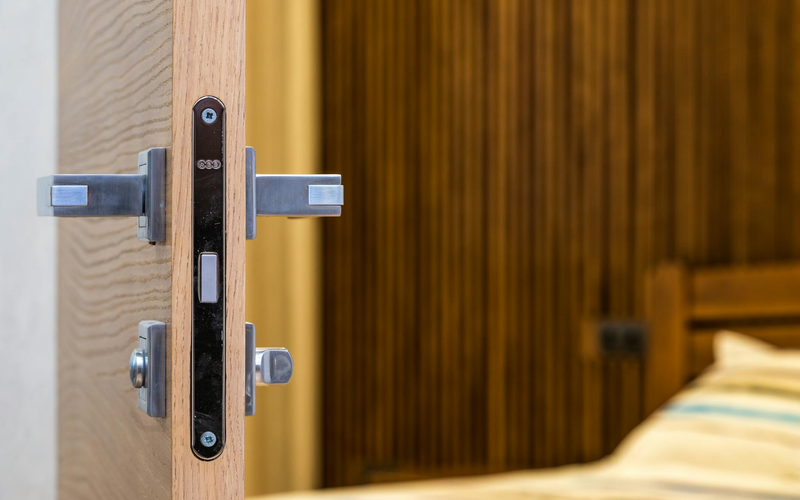
Legitimate locksmith businesses maintain proper licensing, insurance, and bonding. They operate with transparency, providing clear pricing information and detailed invoices. Professional locksmiths also prioritize customer service, understanding that many people contact them during stressful situations that require patience, empathy, and efficient problem-solving.
Credentials and Licensing Requirements
When evaluating a locksmith, the first thing you should verify is their credentials. While North Carolina doesn't currently require state-level locksmith licensing, professional locksmiths often pursue voluntary certifications that demonstrate their commitment to excellence and ongoing education.
Look for locksmiths who hold certifications from recognized organizations such as the Associated Locksmiths of America (ALOA). ALOA offers various certification levels, including Certified Registered Locksmith (CRL) and Certified Professional Locksmith (CPL), which require passing rigorous examinations and demonstrating practical skills.
Insurance and bonding are equally important credentials. A properly insured locksmith carries general liability insurance that protects you if something goes wrong during the service call. Bonding provides an additional layer of protection, offering recourse if the locksmith damages your property or performs substandard work.
Don't hesitate to ask potential locksmiths about their credentials before hiring them. Reputable professionals will gladly share information about their certifications, insurance coverage, and years of experience. If a locksmith seems evasive about their qualifications, consider it a red flag.
What Proof Do You Need for a Locksmith?
This is one of the most important questions property owners ask, and for good reason. Professional locksmiths must verify ownership before providing access to a property or vehicle. This security measure protects you and prevents unauthorized access to your property.
For residential lockout services, you'll typically need to provide:
- A valid government-issued photo ID matching the address
- Utility bills or lease agreements showing your residency
- Property tax records or mortgage documents for homeowners
- Additional verification if your ID doesn't match the property address
- Valid driver's license
- Vehicle registration or title
- Proof of insurance for the vehicle
- Additional documentation if the vehicle is registered to someone else
- Business identification or employee badge
- Authorization from the property owner or manager
- Company documentation showing your authority to access the premises
Quick Response Time and Availability
Emergencies don't follow a schedule, which is why professional locksmiths offer 24/7 emergency services. When evaluating a locksmith, consider their availability and average response time. A true emergency locksmith service should be able to reach you within 30 minutes in most situations, though response times may vary based on your location and current demand.
Mobile locksmith services are particularly valuable because the technician comes to your location equipped with the necessary tools and equipment. This mobile capability is essential for automotive lockouts and emergency residential or commercial situations where you cannot access the property.
When you call a professional locksmith, they should provide you with:
- An estimated arrival time
- The name of the technician who will assist you
- A clearly marked service vehicle for easy identification
- Contact information so you can track their arrival
Transparent Pricing and Estimates
One of the most common complaints about locksmith services involves unexpected, inflated prices. Professional locksmiths operate with complete pricing transparency, providing detailed estimates before beginning any work.
When you call a reputable locksmith, they should ask specific questions about your situation to provide an accurate estimate:
- Type of lock or security system involved
- Nature of the problem (lockout, broken key, lock malfunction)
- Type of property (residential, commercial, automotive)
- Time of day and urgency level
- Any special circumstances affecting the job
How Much Is a Locksmith in NC?
Locksmith pricing in North Carolina varies based on several factors, but understanding average costs helps you identify fair pricing versus price gouging.
Typical locksmith service costs in the Kernersville area include:
- Emergency lockout service: $75-$150 for standard residential locks during business hours
- After-hours emergency service: $150-$250 for nights, weekends, and holidays
- Lock rekeying: $20-$50 per lock, with discounts for multiple locks
- Lock installation: $80-$200 depending on lock type and complexity
- Car key replacement: $150-$400 depending on key type and programming requirements
- Service call fee: $50-$100, often waived if you proceed with the service
How Much Do Locksmiths Charge to Come Out?
The service call fee, also known as a trip charge, covers the locksmith's travel time and expenses to reach your location. In Kernersville and surrounding areas, service call fees typically range from $50 to $100.
Many professional locksmiths waive this fee when you proceed with the requested service, applying it as a credit toward your total bill. However, if the locksmith arrives and you decide not to proceed, you're generally responsible for paying the service call fee.
During emergency situations—nights, weekends, and holidays—expect higher service call fees reflecting the premium nature of after-hours availability. Professional locksmiths clearly communicate these charges upfront, so you're never surprised by unexpected fees.
Some locksmiths offer flat-rate pricing that includes the service call, labor, and standard materials in one comprehensive price. This pricing model provides greater predictability and peace of mind, especially during emergencies when you're already stressed.
Questions to Ask Before Hiring a Locksmith
Protecting yourself from scams and ensuring quality service requires asking the right questions before committing to a locksmith. Here are essential questions every property owner should ask:
Before they arrive:
- What is your complete business name and physical address?
- Are you licensed, bonded, and insured?
- What is your estimated arrival time?
- Can you provide a price estimate based on my situation?
- Will there be additional charges beyond the quoted price?
- What forms of payment do you accept?
- Will the technician arrive in a clearly marked company vehicle?
- Can I see your identification and business credentials?
- What is the final cost before you begin work?
- Are there any additional fees I should know about?
- What warranty or guarantee do you offer on your work?
- Can you provide a detailed, itemized receipt?
Local Presence and Reputation
Choosing a local locksmith with an established presence in Kernersville offers significant advantages over national call centers or unlicensed operators. Local locksmiths depend on their community reputation, which motivates them to provide exceptional service and maintain high ethical standards.
A legitimate local locksmith should have:
- A physical business address you can visit or verify
- A local phone number (not just a generic 1-800 number)
- Positive reviews from area residents and businesses
- Membership in local business organizations
- Years of service to the Kernersville community
- Relationships with local real estate agents, property managers, and businesses
Verifying Reviews and References
Online reviews provide valuable insights into a locksmith's reliability, professionalism, and quality of work. However, not all reviews are equally trustworthy, so knowing how to evaluate them is important.
When researching locksmith reviews:
- Check multiple platforms (Google, Yelp, Facebook, Better Business Bureau)
- Look for consistent patterns in both positive and negative reviews
- Pay attention to how the business responds to negative feedback
- Be skeptical of exclusively five-star reviews, which might be fake
- Focus on detailed reviews that describe specific experiences
- Note the recency of reviews—recent feedback is more relevant
The Better Business Bureau rating is another valuable resource. While not perfect, BBB accreditation and a high rating indicate a business's commitment to ethical practices and customer satisfaction.
Range of Services Offered
A full-service professional locksmith offers comprehensive solutions across residential, commercial, and automotive categories. This breadth of services demonstrates expertise and investment in the latest tools and technology.
Residential Locksmith Services
Professional residential locksmiths provide:
- Emergency lockout assistance 24/7
- Lock installation, repair, and replacement
- Rekeying services for new homeowners or after key loss
- High-security lock installation
- Smart lock and keyless entry system installation
- Deadbolt installation and repair
- Lock maintenance and adjustment
- Master key system creation
- Safe installation and servicing
- Window lock installation
- Security consultations and home security assessments
Commercial Locksmith Services
Business security requires specialized expertise. Professional commercial locksmiths offer:
- Master key and restricted key systems
- Access control system installation and programming
- Panic bar and exit device installation
- Commercial lock rekeying and replacement
- Safe and vault services
- File cabinet and desk lock services
- Security system integration
- Lock repairs for high-traffic commercial locks
- Key duplication with proper authorization protocols
- After-hours emergency commercial lockout service
Automotive Locksmith Services
Modern vehicles require specialized knowledge and equipment. Professional automotive locksmiths provide:
- Car lockout service for all vehicle makes and models
- Broken key extraction from ignition or doors
- Transponder key programming
- Key fob replacement and programming
- Ignition repair and replacement
- Broken ignition key removal
- Duplicate car key creation
- High-security automotive key services
- Motorcycle and recreational vehicle locksmith services
Advanced Technology and Tools
The locksmith industry has evolved dramatically with advancing technology. Professional locksmiths invest in state-of-the-art tools and equipment that enable them to work efficiently while minimizing property damage.
Modern professional locksmiths utilize:
- Electronic key cutting machines for precision duplication
- Transponder key programming equipment
- Specialized tools for working with high-security locks
- Non-destructive entry techniques and tools
- Access control programming software
- Smart lock installation and programming equipment
- Lock picking tools for various lock types
- Key extraction tools for broken key removal
Ask potential locksmiths about the tools and techniques they use. Professional locksmiths should be able to explain their approach and assure you that they'll use the least invasive method possible to resolve your issue.
Emergency Services vs. Scheduled Services
Understanding the difference between emergency and scheduled services helps you make informed decisions and manage costs effectively.
Emergency services apply when you need immediate assistance—lockouts, broken locks preventing access, or security breaches requiring urgent attention. These services command premium pricing due to their immediate nature and after-hours availability.
Scheduled services include planned lock upgrades, rekeying when moving to a new property, or installing new security systems. These non-urgent services typically cost less and allow you to shop around for competitive pricing.
Whenever possible, address security needs through scheduled appointments rather than waiting for emergencies. For example:
- Rekey locks when you move rather than waiting until you lose your keys
- Replace worn locks before they fail completely
- Upgrade security systems during a planned renovation
- Create spare keys before you need them urgently
Insurance and Warranty Considerations
Professional locksmiths stand behind their work with warranties and guarantees. These protections demonstrate confidence in their service quality and provide you with recourse if problems arise.
Typical warranty offerings include:
- 30-90 day warranty on labor
- Manufacturer warranties on parts and hardware
- Guarantees on key duplication accuracy
- Service satisfaction guarantees
Additionally, verify that the locksmith carries adequate insurance. General liability insurance protects you if the locksmith accidentally damages your property during service. Workers' compensation coverage protects you from liability if the locksmith is injured while working on your property.
Reputable locksmiths readily provide proof of insurance upon request. Never work with a locksmith who cannot or will not verify their insurance coverage.
Security-Focused Approach
A professional locksmith prioritizes your security above all else. This security-focused mindset manifests in several ways:
Proper identification verification: As mentioned earlier, legitimate locksmiths verify ownership before providing access to prevent unauthorized entry.
Security consultations: Professional locksmiths assess your property's vulnerabilities and recommend appropriate security improvements rather than simply performing the requested service without consideration of broader security needs.
Quality products: They install and recommend high-quality locks and security hardware from reputable manufacturers rather than cheap alternatives that compromise security.
Current knowledge: They